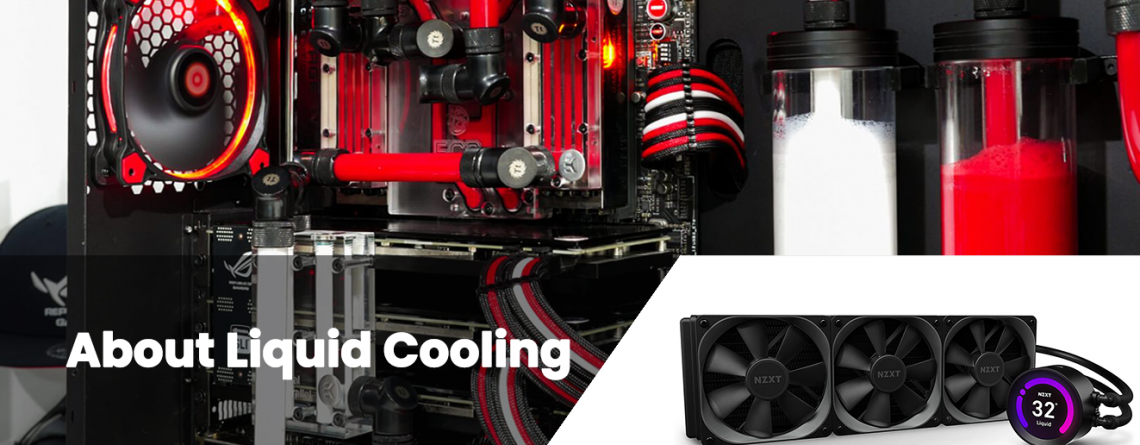
About Liquid Cooling

What is Liquid Cooling?
In computers, liquid cooling is a method that helps to lower the temperature of computer processors and sometimes other components such as graphics cards by using water instead of air as the cooling medium.
How easy is liquid cooling setup?
Connecting the all-in-one liquid cooling system is slightly more complicated than installing a standard heatsink. The first reason is that the processor block is always connected to the radiator and fan. The second reason is that it can be difficult to connect both. Building your own system is not a difficult task, but the defragmentation process requires some patience. The biggest danger in a liquid cooling setup is to have a rush.
How does liquid cooling work?
The refrigerant liquid delivered to the tank. From here, a pump gets the connection from the coolant. The tank level needs frequent inspection. Because the liquid will evaporate due to the temperature. That’s why it’s a good idea to completely drain and clean the entire device every six months.
The pump pushes the liquid through the pipes into the highly conductive metal. This metal is usually made of copper or aluminum. The face of the block is placed on top of the CPU, GPU or Northbridge control chip. This face of the block has a number of narrow channels. Liquid flows through these channels, taking the heat from the CPU block and carrying it to the radiator.
The liquid is passed through even narrower channels in the radiator. Thus, the liquid is cooled by means of channels blowing air on it with a fan. Then, the tank always receives the water back. Afterwards, the fluid starts this journey all over again.
Productivity
The most obvious disadvantage of liquid cooling is that even with a fan radiator you cannot lower the liquid below the air temperature. It is possible to find a radiator connected to a more complex heat exchanger (such as a TEC unit or compressor). However, these devices are relatively expensive and increasingly outdated.
Just because a normal liquid cooling system can’t lower the core temperature below zero doesn’t mean you should go with air cooling. Liquid coolers are highly efficient. For this reason, they can keep chips cool under high load.
In many systems, there are two ways to increase the cooling capacity. The first of these is to increase the fan speed of the radiator. The second is to increase the pressure of the water from the pump control. Both options can increase the noise level. That’s why it’s a good idea to read reviews and pay attention to recommendations before investing in an expensive system.
When you consider these parameters, there are many points that you should pay attention. However, the options offered are much less than before. Even quietpc.com, which pioneered sales of liquid cooling systems, currently has quite a few Zalman kits on its site.
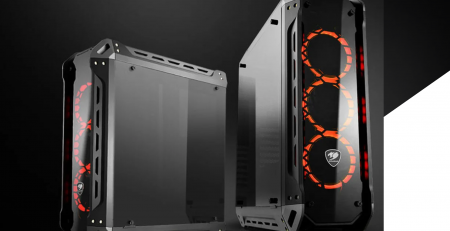
By design, the most popular CPU coolers are systems that sit in two or three drive bays at the front of the PC and have an integrated pump and front panel controls. In this way, it is possible to keep everything inside the safe. Otherwise, you have to supply the liquid from the outside of your case to the cooling system.
Pumping
*Pumps placed in the driver’s compartment may be louder than external units due to their small motors and vibrations of the chassis. However, they have a significant advantage in terms of taking up less space and making your PC portable.
Connecting the liquid cooling system is usually an easy process. What you need to be aware of is that if you are going to use liquid cooling to overclock your processor, you should also consider the temperature of other parts of your system.
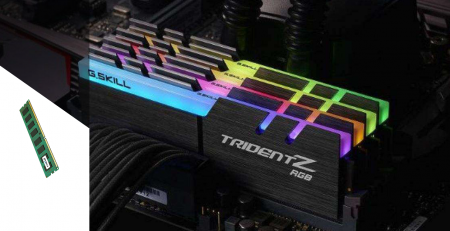
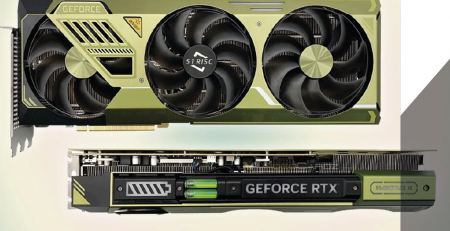
AMD’s Black Edition series or Intel’s Extreme series have unlocked multipliers. In this way, they can adjust independently from other components. However, when you change the data bus speeds, you may need to consider the temperature of components such as RAM, graphics card, and add liquid-cooled heatsinks to them. This will make your job a little harder. In that case it would be a good idea to add another radiator between the GPU and the CPU.
To sum up, the game industry is one of the most important elements of today. Good image quality, being powerful and extensible are among the most significant features to look for in the games you will play. We can help you in this regard with our sectoral knowledge and extensive connections. For more detailed information on the subject, visit our website. At the same time, you can reach us through our communication channels and review our work through our social media channels (Instagram, Reddit, Twitter, and GitHub).
For more information about all our services, please visit our Lavega Games and Lavega Project website.